Workers' Compensation
& Safety Summit
A high-impact convening focused on the Longshore and Harbor Workers' Compensation Act (LHWCA)—bringing together labor, employers, insurers, safety leadership, legal and medical stakeholders, and policymakers.
Awareness & Accountability for Longshore Workers
The Longshore and Harbor Workers' Compensation Act (LHWCA) is the federal law that guarantees longshore and port workers medical care and wage replacement if they're injured on the job. We're hosting this summit to make sure elected officials understand its importance, hear directly from workers, and stay accountable to protecting and strengthening it.
Over the past several years, injured longshore workers and their families have experienced a pattern of serious concerns—concerns we believe are not unique to Jacksonville. Injured workers are being rushed back to work before they are medically ready. Legitimate claims are being delayed or denied without clear justification. Companies are making the process more difficult than it needs to be, dragging their feet on providing compensation.
This summit is an awareness and accountability convening—bringing together labor, management, the insurance industry, and elected officials to hold each other accountable and keep each other safe. We need to show management we are serious, bring awareness to who we are and what we do, and ensure the impact of the Act is fully understood.
Higher serious-injury rate vs. U.S. average
Judges handling all longshore cases nationwide
States across the SAGCD
Ports in the district
The Reality Workers Face
Workers walk on and carry off the job—then companies decide whether to support them. This pattern is used to evade paying families. The problems may look different from port to port, but the common thread is clear.
Laid Off After Injury
Over the last three years, 100% of workers out for more than three weeks have been laid off. Companies use this pattern to evade paying families.
2–4 Year Claims Process
Workers face a 2 to 4 year process to receive any type of workers' compensation—forcing many back to work out of necessity, even when still hurt.
Only 4 Judges Nationwide
Only four judges across the entire country handle longshore cases, creating massive backlogs. All are susceptible to the same national influences.
Lump Sum Traps
Workers sign agreements to take lump sum payments and in turn are barred from ever working for that company again—trading long-term livelihood for short-term relief.
Pushed Onto Welfare Plans
When workers are cut off and can't return, they're put onto short and long-term disability through welfare plans—shifting the cost away from employers.
Subrogation Impact
Subrogation plans pay workers up front, then recover those funds from pension and welfare accounts—directly impacting members' benefits.
“Magnify the common problem. It may look different at each port, but we need to get the conversation going—address this inside the contract, then determine what and how we fix it.”
What We Aim to Achieve
Four critical pillars designed to reduce harm, strengthen safety, and ensure longshore families are treated with fairness and dignity.
LHWCA Awareness & Worker Education
Clear overview of rights, responsibilities, and timelines under the LHWCA framework—including medical treatment, wage-loss compensation, vocational rehabilitation, and survivor benefits.
Claims Process Review & Problem-Solving
A structured review of where breakdowns occur—reporting, medical authorization, return-to-work pressure, communications, and dispute resolution—with recommended best practices.
Safety & Prevention Alignment
Collaboration with safety councils, accident review committees, and port safety leadership to reduce injuries and improve accountability after incidents.
Testimony & Human Impact
A dedicated portion of the program for longshoremen and families to share brief testimonies about the real-life impact of accidents and injuries — loss of income, quality of life, and the toll on families.
Actionable Results Expected from the Summit
Concrete deliverables and themes the summit is designed to produce for members, locals, and partners.
Summit goals and desired outcomes
Worker stories and testimony themes
Stakeholder expansion plan
District-wide trends and data points
Safety and advocacy recommendations
Survey findings and emerging patterns
Follow-up actions after the summit
Resource and rights education for members
Three Serious Accidents. One Clear Warning.
CDC/NIOSH reports serious-injury rates in marine terminals and port operations at roughly five times the overall U.S. workforce. These accidents point to the same core problem: workers are still being exposed to known hazards around moving equipment and heavy materials.
Savannah, Georgia
A 50-year-old Georgia Ports Authority worker was involved in a serious equipment accident with a rubber-tired gantry crane at Garden City Terminal.
Key Takeaway: Crane movement, equipment interaction, terminal hazard exposure.
Port Tampa Bay, Florida
A 27-year-old worker was struck after a 3,000-pound concrete slab broke loose during seawall replacement work near Terminal 6.
Key Takeaway: Suspended or shifting heavy materials can cause life-altering injuries in an instant.
Port of Miami, Florida
OSHA documented a longshore worker struck by a Liebherr LHM crane in a prohibited danger zone where visibility was limited.
Key Takeaway: Blind spots and weak exclusion-zone control put workers at risk.
Moving Equipment
RTG and mobile harbor cranes create crush, struck-by, and run-over hazards in seconds.
Visibility Hazards
Workers should never be placed in wheel paths, blind spots, or crane danger zones.
Heavy Loads
Concrete panels, twist locks, containers, and rigging failures can cause severe accidents in seconds.
Work-Zone Control
Ports need disciplined pedestrian exclusion zones, spotters, and movement protocols.
Sources: Enjuris, CDC/NIOSH Marine Terminals and Port Operations accident and injury statistics; FOX 13 Tampa Bay; OSHA Accident Summary No. 200675288.
Who Should Be Invited
To ensure this is not simply a discussion, but a meaningful port-wide and region-wide improvement effort, Local 1408 proposes inviting key stakeholders from across the maritime industry.
Every ILA port in the South Atlantic & Gulf Coast District
Safety councils and accident review committees
Employer representatives, stevedoring companies, and shipping lines
Claims administrators and insurers handling LHWCA claims
Medical provider leadership in workplace injury treatment
Attorneys and subject-matter experts in LHWCA and maritime injury
Local, state, and federal elected officials in port districts
Ports Across the SAGCD
This summit spans every ILA port in the South Atlantic and Gulf Coast District—from Texas to North Carolina. The issues we face are regional, and the solutions must be too.
Texas
- Port of Brownsville
- Port of Corpus Christi
- Port Lavaca–Point Comfort
- Port Freeport
- Port of Texas City
- Port of Galveston
- Port Houston
- Port of Beaumont
- Port of Port Arthur
- Port of Orange
Louisiana
- Port of Lake Charles
- Port of New Orleans
- Port of Greater Baton Rouge
Mississippi
- Port of Gulfport
Alabama
- Port of Mobile
Florida
- Port of Pensacola
- Port Panama City
- Port Tampa Bay
- JAXPORT (Jacksonville)
- PortMiami
Georgia
- Port of Savannah
- Port of Brunswick
South Carolina
- Port of Charleston
North Carolina
- Port of Wilmington
- Port of Morehead City
Where the Summit Could Gather
The summit is reviewing two host-hotel paths: a premium Amelia Island concept centered on The Ritz-Carlton with affiliated overflow support, and a value-driven downtown option centered on Marriott Jacksonville Downtown. Both remain under review.
The Ritz-Carlton, Amelia Island
with Courtyard & SpringHill Suites overflow
“Beach and Business: A Summit Experience Built for Leadership, Learning, and Connection.”
- A premium "beach and business" concept that blends summit work with destination value, family appeal, and leadership-level presentation.
- An oceanfront flagship setting with broad meeting capacity and a high-end atmosphere that helps the summit feel elevated and important.
- Nearby overflow at Courtyard Amelia Island and SpringHill Suites keeps the Amelia Island experience intact for additional attendees.
Marriott Jacksonville Downtown
a renovated downtown conference setting
“Downtown Jacksonville remains a strong alternative that combines value, city energy, and a polished conference environment.”
- Renovated guest rooms and meeting space that showcase downtown Jacksonville's growth and city access.
- A more traditional, polished conference setting in the heart of the city.
- A lower room rate and favorable concessions make this the easier budget story.
*Marriott Jacksonville Downtown concessions include waived meeting room rental with an F&B minimum, discounted valet, and a complimentary one-hour welcome reception. Hotel details reflect current proposals and remain subject to final selection.
Your Story Matters
A dedicated portion of the summit program is reserved for longshoremen and families to share testimonies about the real-life impact of accidents and injuries — loss of income, quality of life, and, in the most serious cases, the loss of a loved one. Your voice can drive meaningful change.
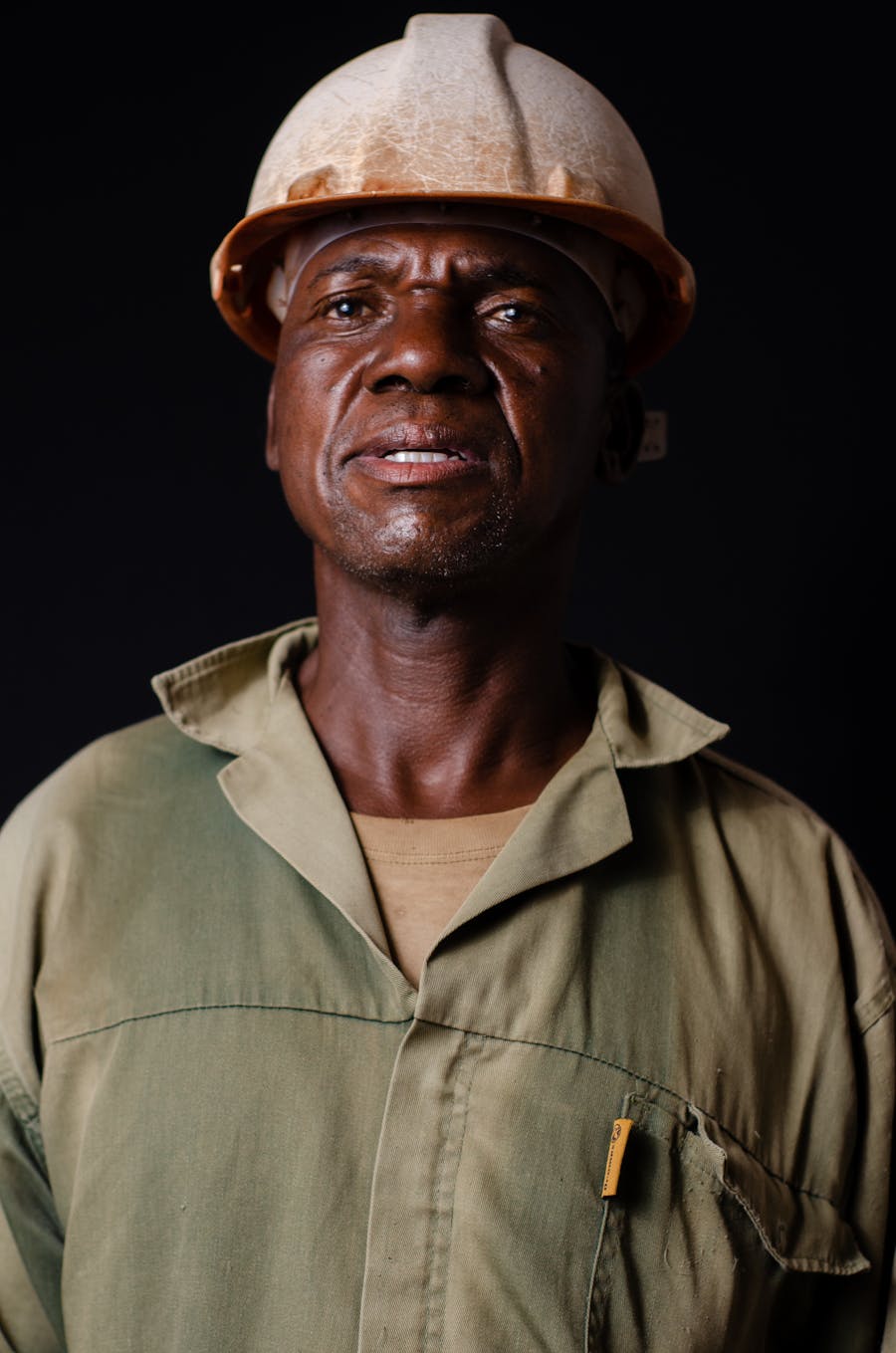
Sample composite — real worker stories will be collected
“After my injury, the process became confusing, stressful, and isolating. I was dealing with pain, missed work, and uncertainty about my treatment, benefits, and rights. My experience showed me how important it is for workers to have support, information, and advocacy from the very beginning.”
Contact ILA Local 1408
The challenges ahead supersede those of any similar span of time in our history. Our membership looks to the future with hope and determination to protect every worker.
Warren K. Smith
President, ILA Local 1408
Jacksonville, Florida
Government affairs support provided by The Pollock Group, a boutique firm owned by Longshore brother Mincy Pollock.